
What cloud gaming actually is

Cloud gaming streams video of a game from a remote server to your device, letting you play without a console or high‑end PC. Instead of installing a title on a hard drive, the server does the heavy lifting and sends the frames over the internet, similar to Netflix for games. The only hardware you need is a stable broadband connection, a screen, and a controller or keyboard.
Why the UK market is taking off
In 2023, the UK’s average broadband speed hit 78 Mbps, fast enough to support 1080p streaming at 60 fps with less than 30 ms latency on most services. That figure rose by 12 % compared with the previous year, meaning more households meet the technical threshold for smooth cloud play.
According to a survey by the Entertainment Software Association, 38 % of UK gamers now own a subscription to at least one cloud platform, up from 22 % in 2021. The growth is driven by two concrete factors:
- Cost: A monthly subscription of £9.99 replaces a £300 console purchase and the associated game licences.
- Flexibility: Players can switch between a laptop on a train, a smart TV at home, and a tablet in a café without reinstalling games.
These numbers translate into a tangible shift: retailers report a 15 % drop in console sales year‑on‑year, while service providers such as Xbox Cloud Gaming and Nvidia GeForce Now see subscriber spikes of 40 % and 35 % respectively.
Real‑world impact on everyday gamers
Take the case of Sam, a 27‑year‑old from Manchester who commutes 45 minutes each way. He swapped his aging PlayStation 4 for a cloud subscription and now finishes a 30‑hour RPG during his train rides, using the seat‑back screen and a Bluetooth controller. He estimates he saves £120 per year on hardware upgrades.
However, the model isn’t flawless. Players in rural Cornwall still struggle with average speeds of 30 Mbps, leading to occasional buffering and reduced visual quality. For them, the promise of “play anywhere” remains conditional on the local infrastructure.
How developers are adapting
Game studios are now testing titles on cloud‑first pipelines. Ubisoft’s “Assassin’s Creed: Nexus” includes a “cloud‑optimised” mode that reduces texture load without sacrificing gameplay, specifically to keep latency under 25 ms on a 60 Mbps connection.
Indie developers benefit as well. Without needing to certify a game for multiple consoles, they can release a single build to all cloud services, cutting development time by an estimated 20 %. This has led to a surge in UK‑made indie titles on platforms like Amazon Luna, where 12 % of the catalogue now originates from British studios.
Beyond games: the wider entertainment crossover
Cloud gaming’s infrastructure shares technology with video‑on‑demand services, prompting cross‑industry collaborations. For example, a recent partnership between a major UK telecom and a streaming platform introduced a bundled package that offers both movies and a cloud‑gaming tier for £14.99 a month. This convergence hints at a future where the line between watching and playing blurs.
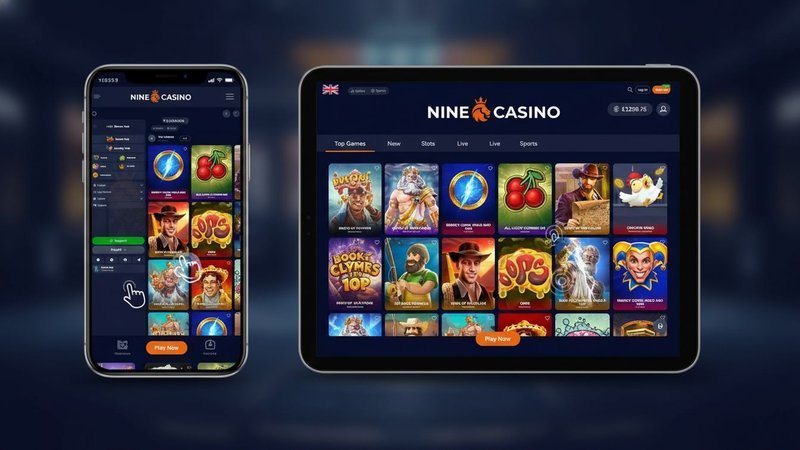
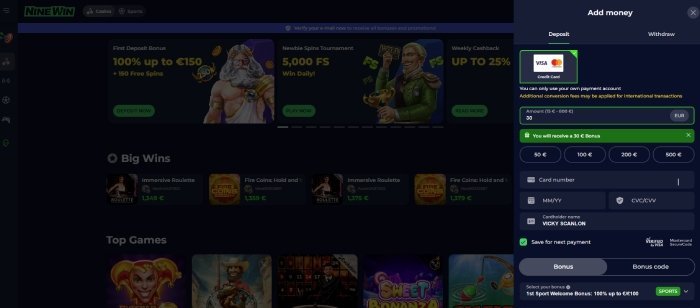
Speaking of convergence, the rise of cloud gaming also nudges some players toward broader online entertainment. One such outlet is NineWin Casino, which leverages similar streaming tech to deliver instant access to casino games without downloads.
What the future may hold
Looking ahead, 5G roll‑outs promise sub‑10 ms latency, making cloud gaming viable on mobile networks. Analysts predict that by 2027, UK households with 5G will constitute 30 % of the market, potentially unlocking a new segment of on‑the‑go gamers.
At the same time, concerns about data caps linger. A typical hour of 1080p streaming consumes around 7 GB of data; heavy users could hit a 500 GB monthly limit quickly. Providers are responding with “gaming‑friendly” plans, but the cost‑benefit balance will vary per consumer.
Conclusion
Cloud gaming has moved from a niche experiment to a mainstream option for many UK players. Faster broadband, lower hardware costs, and developer support have created a tangible shift in how games are accessed. Yet the experience still hinges on reliable internet, and rural areas may lag behind. As networks improve and services mature, the promise of truly playing anywhere is set to become a regular part of the British gaming landscape.